


Sprzęt do biegów terenowych
ZAMIEŃ SZLAKI W PLACE ZABAW
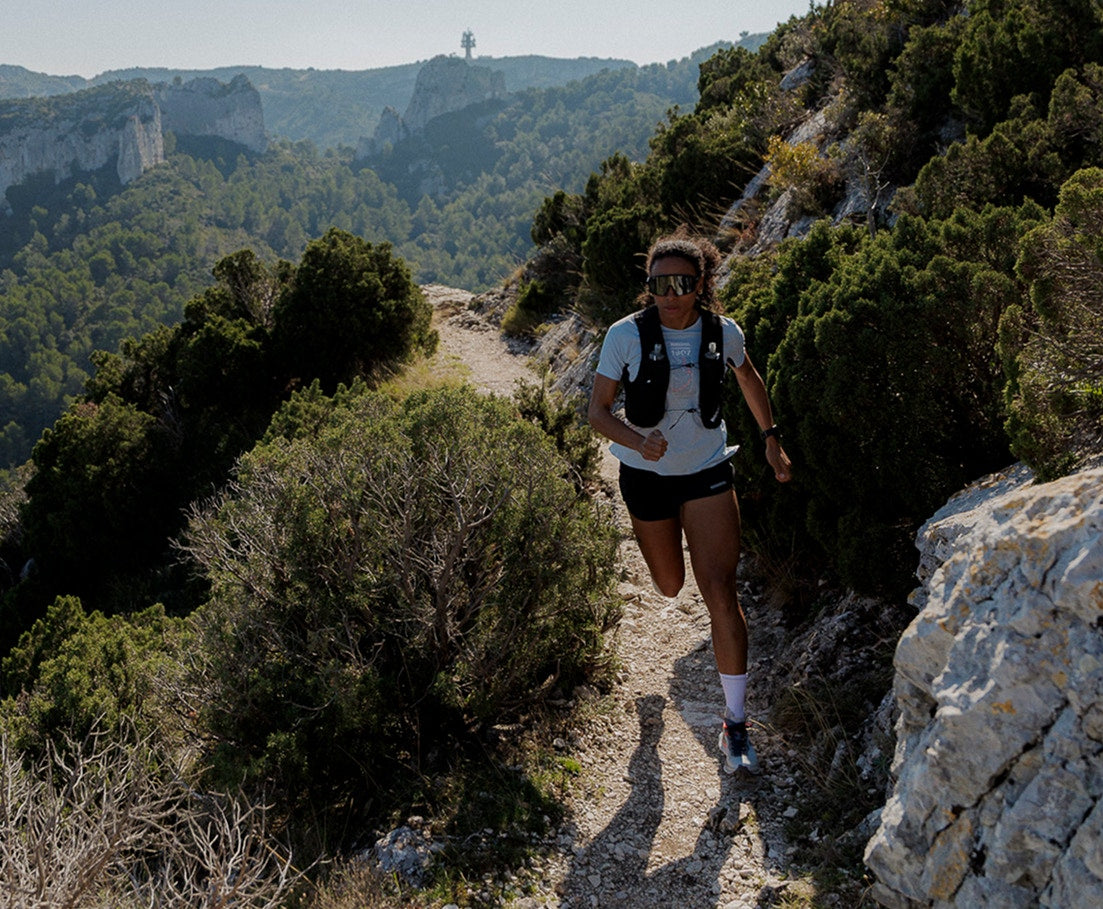
Ukształtowanie terenu i pogoda zmieniają się — Twój bieg nie. Linia terenowa Rossignol, stworzona w Alpach, została zaprojektowana z myślą o wsparciu, komforcie i ochronie w zmiennych warunkach, aby umożliwić Ci pokonanie całego dystansu.
Nasz asortyment butów do biegania terenowego

Vercors Stworzone, by pokonywać długie dystanse. Biegaj daleko.
Komfort i dopasowanie
Amortyzacja
Układaj / Upuść
32 mm / 6 mm
Waga
290 g (UK9 – 43)
Końcówki kablowe
4 mm
Odpowiedni dla
Długie dystanse, zróżnicowany teren, lekkie szlaki, elastyczny rytm

Vezor Biegaj szybko. Gotowy na dzień wyścigu.
Komfort i dopasowanie
Amortyzacja
Układaj / Upuść
30 mm / 6 mm
Waga
270 g (UK8 – 42)
Końcówki kablowe
4 mm
Odpowiedni dla
Techniczny i wymagający teren, średnie dystanse i wyścigi, płynność jazdy na dużej prędkości

Venosk Trenuj codziennie.
Komfort i dopasowanie
Amortyzacja
Układaj / Upuść
28 mm / 6 mm
Waga
260 g (UK8 – 42)
Końcówki kablowe
4 mm
Odpowiedni dla
Codzienny trening, kręte szlaki, wszechstronny styl jazdy


Buty do biegania terenowego SALOMON S/LAB SENSE 8 – czerwono-białe


Buty do biegania trailowego ROSSIGNOL W VEZOR - czerwone


Buty do biegania terenowego ROSSIGNOL VEZOR – niebieskie


Buty do biegania terenowego ROSSIGNOL VEZOR – czerwone


Buty do biegania terenowego ROSSIGNOL VERCORS – neonowa czerwień


Buty do biegania terenowego ROSSIGNOL W VERCORS – biel szeptana, miętowy żelowy odcień


Buty do biegania terenowego ROSSIGNOL W VERCORS – neonowa czerwień


Buty do biegania trailowego ROSSIGNOL W VERCORS - whisper white


Buty do biegania trailowego ROSSIGNOL VENOSK R-SHELL DRY - szare


Buty do biegania trailowego ROSSIGNOL VENOSK - czarne
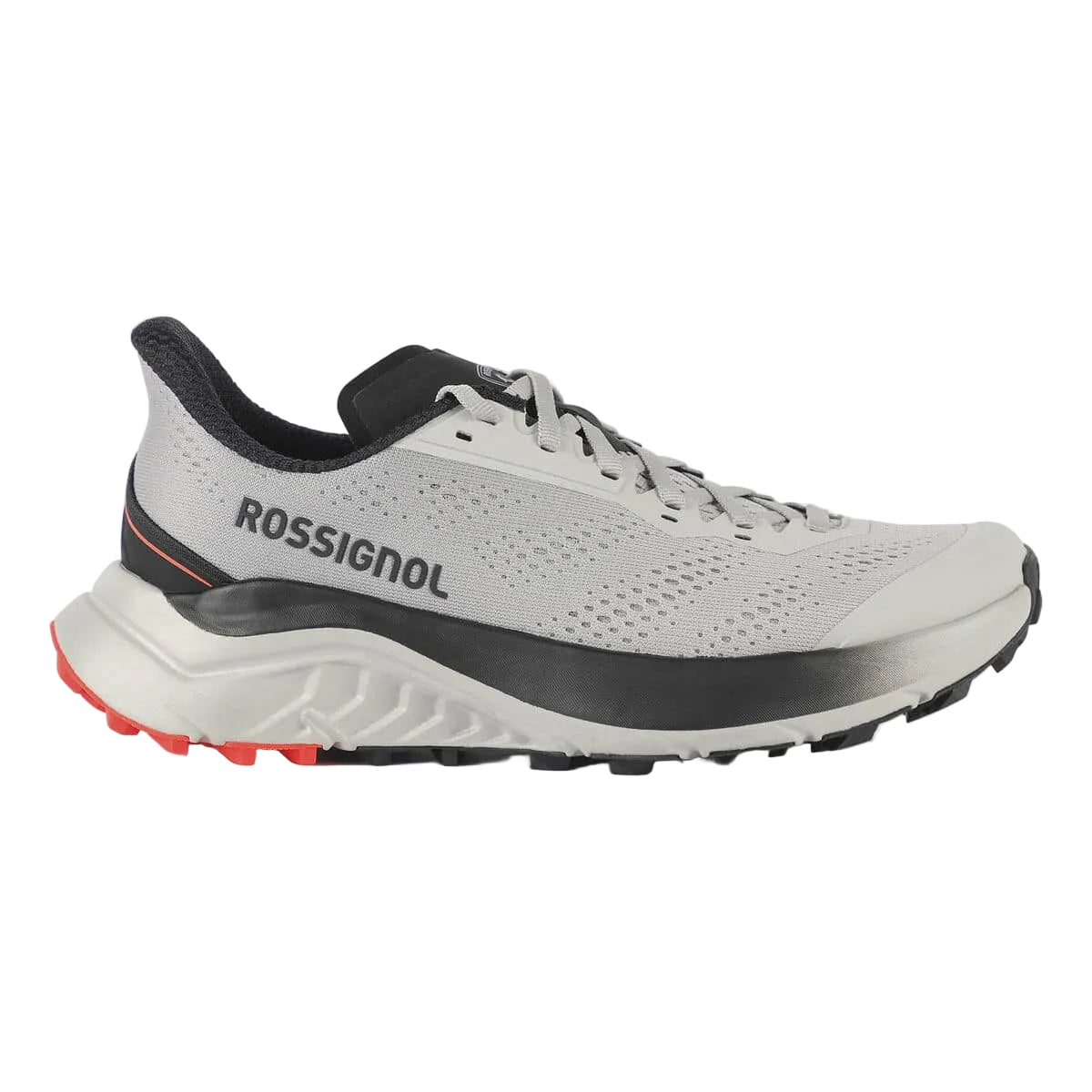

Buty do biegania trailowego ROSSIGNOL VENOSK - szare


Buty do biegania terenowego ROSSIGNOL VENOSK – niebieskie


Buty do biegania trailowego ROSSIGNOL VENOSK W - szare


Buty do biegania trailowego ROSSIGNOL VENOSK W – czarne


Buty do biegania terenowego ROSSIGNOL VENOSK W – piaskowe
Poradnik biegania w terenie
Wybierz buty, a nie szum medialny
Każdy terenowy but Rossignol ma zrównoważony drop wynoszący 6 mm — różnica polega na tym, czego od niego oczekujesz. Wybierz Vercors na długie dni i zróżnicowany teren, Vezor, gdy teren staje się techniczny i zależy Ci na szybkości, oraz Venosk jako uniwersalny model do treningów od drzwi do szlaku, po który sięgasz co tydzień.
Najczęściej zadawane pytania dotyczące biegów terenowych
Co spakować na bieg terenowy trwający 30–90 minut, a co na ponad 2 godziny?
Co spakować na bieg terenowy trwający 30–90 minut, a co na ponad 2 godziny?
- Na bieg trwający 30–90 minut: woda w razie potrzeby, telefon/dokument tożsamości i mała przekąska.
- Na 2 godziny lub dłużej: większy zapas wody, prowiant (żele/żelki energetyczne), dodatkowa warstwa odzieży oraz niezbędne wyposażenie zapewniające bezpieczeństwo — czołówka, apteczka, sprzęt nawigacyjny — zależnie od warunków.
- Na dłuższe biegi dobierz odpowiednie buty do kamizelki nawadniającej, miękkiej butelki i kurtki, którą można spakować.
W co się ubrać na bieganie terenowe w wietrze i deszczu, żeby się nie przegrzać?
W co się ubrać na bieganie terenowe w wietrze i deszczu, żeby się nie przegrzać?
Załóż odprowadzającą wilgoć warstwę bazową i dodaj lekką, oddychającą warstwę wierzchnią z możliwością wentylacji, aby chronić się przed wiatrem i deszczem bez zatrzymywania potu. Przy łagodnej pogodzie zrezygnuj z ciężkich warstw i zadbaj o lekkość nóg, wybierając szorty lub lekkie legginsy.
Jak pozostać widocznym na szlakach przy słabym oświetleniu?
Jak pozostać widocznym na szlakach przy słabym oświetleniu?
Połącz aktywne oświetlenie — czołówkę — z odblaskowymi elementami 360° na kurtce lub kamizelce, aby widzieć szlak i być widocznym dla innych z każdej strony.
Jak zapobiegać pęcherzom podczas biegów terenowych?
Jak zapobiegać pęcherzom podczas biegów terenowych?
- Skarpetki: wybierz nylonowe lub odprowadzające wilgoć; unikaj bawełnianych.
- Dopasowanie i sznurowanie: nie za ciasne, nie za luźne — jeśli pięta się wysuwa, zastosuj sznurowanie blokujące piętę.
- Miejsca narażone na otarcia: zawczasu zabezpiecz problematyczne obszary plastrami na otarcia lub miękkimi opatrunkami.
- Tarcie: niewielka ilość wazeliny na problematyczne miejsca zmniejsza otarcia.
Co oznacza różnica wysokości między piętą a palcami i jak ją wybrać?
Co oznacza różnica wysokości między piętą a palcami i jak ją wybrać?
Drop to różnica wysokości między piętą a przodostopiem. Mniejszy drop zapewnia bardziej naturalne odczucia, ale mocniej obciąża łydki i ścięgno Achillesa; większy drop daje większą ochronę dolnej części nogi. Nasza kolekcja trailowa ma zrównoważony drop 6 mm — wybierz model w zależności od rodzaju biegu: Vezor do technicznego terenu i szybkiego biegania, Venosk do codziennego treningu od drzwi na szlak, Vercors dla komfortu na długich dystansach.
Wodoodporne czy oddychające buty do biegania terenowego?
Wodoodporne czy oddychające buty do biegania terenowego?
W większości przypadków lepszym wyborem są przewiewne buty — odprowadzają ciepło i szybciej schną po mokrych odcinkach. Modele wodoodporne sprawdzają się w zimnych, błotnistych lub śnieżnych warunkach, ale jeśli woda dostanie się ponad cholewkę, wolniej ją odprowadzają.
Buty trailowe Rossignol w Evelostore
Firma Rossignol od niemal wieku tworzy sprzęt do górskich warunków, a linia obuwia do biegów terenowych przenosi te same założenia na szlak: przyczepność, której można zaufać na luźnym podłożu, amortyzację, która sprawdza się nawet w ostatniej godzinie biegu, oraz dopasowanie, które pozostaje stabilne podczas długich zbiegów.
Obecna kolekcja obejmuje trzy modele ze wspólnym spadkiem pięta–palce wynoszącym 6 mm oraz 4-milimetrowymi wypustkami podeszwy. Vercors to model wytrzymałościowy — ma najwyższą podeszwę środkową o wysokości 32 mm oraz obszerniejsze dopasowanie, dzięki czemu sprawdzi się na długich dystansach i zróżnicowanym terenie. Vezor jest najlżejszy i najbardziej precyzyjny z całej trójki — waży 270 g i został stworzony z myślą o technicznym, wymagającym podłożu oraz dniach startowych. Venosk plasuje się pośrodku jako uniwersalny model treningowy na łagodne szlaki i biegi od drzwi do szlaku.
Wszystkie modele są dostępne w wersjach dopasowanych do stóp kobiet i mężczyzn, a wersja R-SHELL DRY zapewnia dodatkową ochronę przed warunkami atmosferycznymi w chłodne i deszczowe dni. Dostawa na terenie Łotwy i pozostałych krajów Europy oraz 14-dniowy zwrot, jeśli dopasowanie nie będzie odpowiednie.


